Addiction counselling in Canterbury
A confidential, non-judgemental space to look at substance use and compulsive behaviour, and at what sits underneath them.

If you are having thoughts of suicide or self-harm, please see urgent help or call 999. If you are withdrawing from alcohol or drugs, please speak to your GP or call 111 first: stopping suddenly can be dangerous and sometimes needs medical supervision.
What might bring you here
People arrive at very different points. You do not need to have hit anything, or to have decided to stop, before this is worth talking about.
- Drinking or using more than you meant to, more often than you meant to
- Promising yourself this is the last time, and not meaning it by evening
- Compulsive behaviour you cannot explain to anyone, including yourself
- Sex or pornography that has stopped feeling like a choice
- Hiding it, and the exhaustion of the hiding
- Knowing exactly what it costs you, and doing it anyway
- Being in recovery, and finding the difficult part starts afterwards
You do not need to recognise all of these, or be able to explain why. Get in touch and we will work it out together.
How counselling fits alongside other help
Counselling is one part of this, and for many people it is not the first part.
We are not a detox service, a rehabilitation programme, or a prescribing service. What counselling offers is the other half of the work: understanding what the using is doing for you, what it is holding at bay, and what has to be in place before stopping is survivable.
- No requirement to be abstinent: you do not have to have stopped to start
- What it is doing for you: addiction is usually solving something before it is a problem
- Shame: the part that keeps most people from telling anyone at all
- Relapse without disgrace: it is part of many recoveries, not proof of failure
- Life after stopping: which is where a great many people find they need the most support
Where else to look
We would rather you got the right help than our help. These services are free, and several are better suited to the early stages than we are.
Your GP, or 111
The first call if you are physically dependent. Withdrawal from alcohol and some drugs needs medical supervision and can be dangerous without it.
Kent drug and alcohol services
Free, local, and equipped for structured treatment, substitute prescribing and detox. Your GP can refer you, and you can usually self-refer.
Peer support
Alcoholics Anonymous, Narcotics Anonymous, SMART Recovery and similar groups run across Kent, free of charge. Many people use these alongside counselling.
Questions people ask
Practical answers about starting, what sessions are like, and what it costs.
Do I have to have stopped drinking or using to start counselling?
Are you a detox or rehab service?
What if I relapse while I am seeing you?
Do you work with sex and pornography addiction?
Who you would be seeing
The work here is done by two BACP-registered therapists. Emma lists addiction and substance dependency among her areas of work, and Lisa lists addiction and recovery.
 Emma DaggLead Therapist & Practice OwnerRegistered Member MBACP #383581 · Ages 13+
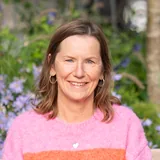 Lisa BarrTherapistRegistered Member MBACP #414433 · Ages 16+
You are welcome to ask for a particular person, or to leave it to us.Read more about both therapists, or see what sessions cost.
You do not have to be ready to stop
A first conversation commits you to nothing, and you can be entirely honest in it.